Link to StumbleUpon

Showing posts with label deer. Show all posts

Wednesday, January 8, 2014

Deter Deer with Camouflage Gardening

A deer-proof garden is essentially non-existent, but a highly deer-resistant garden is attainable with a little effort and planning. One key is to practice “camouflage gardening“.

Camouflage gardening is the practice of using plants that animals don’t like to deter them from eating plants that they do like. Camouflage gardening is mostly focused on deterring deer, but can work for rabbits, squirrels, and even dogs and cats with appropriate plantings. I must point out and stress that this deters animals like deer from eating desirable plants, it doesn’t prevent them from eating anything.

Deer exploring my new vegetable garden

Think of it as constructing a castle or defensive military position. The plant you want to protect is in the center of the defensive zone. It’s surrounded by a barrier of deer-resistant plants. For superior defense you layer zones with additional rings of protection. You’re not building walls to protect plants but using plants to protect plants.

There are certain plants that deer, and similarly many other animals, don’t like. Deer tend to avoid plants that are strongly aromatic or bitter tasting, that have a milky or sticky sap, or that have prickly leaves or are tough and hairy. When they encounter these plants they tend to ignore them and move on.

Deer are browsers that amble from plant to plant looking for something they like. If a plant isn’t on their list of favorites, they’ll keep looking for one that is. This assumes that they have an adequate food selection available. When conditions are bad, as in drought years or when habitat is reduced, they’ll eat almost anything to stay alive. In spring pregnant does will eat almost anything.


Deer look everywhere for food
To get the best protection and to help minimize problems during bad years, the outside protective zone, which is the first that deer encounter, would have a plant that is highly resistant to deer. This layer should have plants that are aromatic with an odor that makes them walk away. You create a scent barrier that prevents them from smelling desirable plants. Lavender, mint, salvia, beebalm, rosemary, and cedar are some plants that have a smell deer avoid and are also rarely eaten.


Salvia and yarrow are deterrents

The second layer of protection would include bad-tasting or toxic plants. The idea is that if they wander past or through the first protective zone they’ll come across plants that they don’t want to eat. Holly, juniper, feathergrass, zinnia, and barberry are rarely eaten. Plants like elderberry, poppies, bleeding heart, lobelia, and larkspur can be toxic. When deer encounter these plants they should go in the opposite direction.

A third layer of protection is to offer a suicide zone. This is a grouping of fast-growing plants outside the protected area that are less deer resistant. Honeysuckle, trumpet creeper, morning glory, and clematis are plants that deer will nibble without decimating the plant. Flowers that reseed prolifically fit in here too. Planted strategically, these plants can lead deer away from more desirable beds.

With a simple two-stage protection planting plan, deer will come across your landscape, realize they don’t like the smells and tastes, and keep on walking. If they’re curious or extra hungry, they’ll try nibbling on what they find but if they don’t like it they’ll realize this whole yard isn’t worth their time and effort and will move on to your neighbor’s yard. They never make it to the roses or tulips or young fruit tree that they would devour.

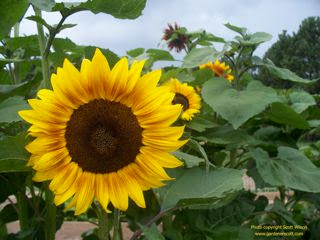
Adding a suicide zone gives them someplace else to go as they walk away from your garden. They may eat a few clematis or morning glory flowers as they avoid the aromas and tastes of the other zones. Asters, petunias, and small sunflowers give them something else to nibble, and will grow back soon.


My sunflowers were sacrificial plants

As you plan a camouflage garden you don’t need to think in terms of clearly defined rings of plants. The first and second protective zones can be intermingled, with aromatic plants planted among bitter and toxic ones. The concept is that one plant deters the deer and when they move to a second plant it deters them too. Ideally every plant they encounter within a defined space is a deterrent and they never move through it.

When you have a mix of plants with many deer deterrent properties it creates a synergy where the entire garden becomes highly effective at deterring deer. A wide spectrum of aromatic plants can confuse deer to the point that they seek a more simple, clearly identifiable source of food… like the big expanse of tulips down the street.

To be most effective camouflage gardening needs to be as year-round as possible. If the plant you’re hoping to protect blooms or buds before the others, deer can find it. Your deterrent plants need to be in position and producing their deterring effect.

For example, for early spring your garden border is planted with dwarf juniper, rosemary, sage, or artemisia — plants that are still fragrant even when they’re dormant. A fragrant groundcover like thyme covers the area. A large planting of daffodils, plants deer typically don’t eat, brings early color and helps create another deer deterrent barrier. Irises come next, another plant deer typically don’t eat. At the center of your display for height and color are your tulips, a plant that deer love to devour.

Depending on variety, you may have irises and tulips flowering together which adds extra confusion to the deer. It’s not a perfect solution. In a good year your tulips are spared; in a very bad year everything is eaten.

I’m planting my new landscape with entire beds of deterrent plants. One bed has lavender on one side and various spirea on the other. Miscanthus grass provides height and interest. Purple coneflower and yarrow add color. Apache plume fills the center for added texture color and interest. It’s highly satisfying to see deer tracks in and around the bed and not a single plant is disturbed.
Another bed has creeping phlox, artemisia, dwarf pines, salvia, yucca, columbines, irises, and daffodils; again, there are tracks but no damage. Next year’s new beds will have similar plantings.


A young deer walks away from new beds

We have a resident deer population. They even bed down among the gambel oak trees in our backyard. I’m hoping that they’ll get used to encountering so many plants they don’t like that by the time I plant young trees and a few other less-resistant perennials they’ll have learned to go some place else for breakfast, lunch, and dinner. Already I’ve noticed more tracks walking around my deer-resistant beds than walking through them.


Some neighbors never go away

For your camouflage garden, research deer deterrent plants. You won’t need to sacrifice color, smell, texture, or height. Select plants that you like to grow normally. Then design your beds and landscape with those plants as the first barrier. Continue with plantings of other deer-resistant plants that you want in your landscape. Personalize the space. You don’t need to grow plants you don’t like.

Camouflage gardening isn’t foolproof. The only sure way to protect plants is with a physical barrier. For prized plants and young trees a fence or metal wall is the only sure deer proofing. Used together, camouflage and wire fences can allow plants that deer like to eat to become large enough and established to the point they don’t need a fence.

Camouflage gardening works best in a large landscape or garden with enough space to allow planting the necessary barrier plants, but even in small gardens the same principles can be beneficial. Make plants that deer and other animals avoid your first line of defense. Hide your other plants with smells and tastes that deter deer. With a little planning and a lot of luck you may be able to enjoy plants that you’ve had problems with before.

Check out my video on how to deer proof your garden on my video channel:

https://www.youtube.com/gardenerscott
A deer-proof garden is essentially non-existent, but a highly deer-resistant garden is attainable with a little effort and planning. One key is to practice “camouflage gardening“.

Camouflage gardening is the practice of using plants that animals don’t like to deter them from eating plants that they do like. Camouflage gardening is mostly focused on deterring deer, but can work for rabbits, squirrels, and even dogs and cats with appropriate plantings. I must point out and stress that this deters animals like deer from eating desirable plants, it doesn’t prevent them from eating anything.

Deer exploring my new vegetable garden

Think of it as constructing a castle or defensive military position. The plant you want to protect is in the center of the defensive zone. It’s surrounded by a barrier of deer-resistant plants. For superior defense you layer zones with additional rings of protection. You’re not building walls to protect plants but using plants to protect plants.

There are certain plants that deer, and similarly many other animals, don’t like. Deer tend to avoid plants that are strongly aromatic or bitter tasting, that have a milky or sticky sap, or that have prickly leaves or are tough and hairy. When they encounter these plants they tend to ignore them and move on.

Deer are browsers that amble from plant to plant looking for something they like. If a plant isn’t on their list of favorites, they’ll keep looking for one that is. This assumes that they have an adequate food selection available. When conditions are bad, as in drought years or when habitat is reduced, they’ll eat almost anything to stay alive. In spring pregnant does will eat almost anything.


Deer look everywhere for food
To get the best protection and to help minimize problems during bad years, the outside protective zone, which is the first that deer encounter, would have a plant that is highly resistant to deer. This layer should have plants that are aromatic with an odor that makes them walk away. You create a scent barrier that prevents them from smelling desirable plants. Lavender, mint, salvia, beebalm, rosemary, and cedar are some plants that have a smell deer avoid and are also rarely eaten.


Salvia and yarrow are deterrents

The second layer of protection would include bad-tasting or toxic plants. The idea is that if they wander past or through the first protective zone they’ll come across plants that they don’t want to eat. Holly, juniper, feathergrass, zinnia, and barberry are rarely eaten. Plants like elderberry, poppies, bleeding heart, lobelia, and larkspur can be toxic. When deer encounter these plants they should go in the opposite direction.

A third layer of protection is to offer a suicide zone. This is a grouping of fast-growing plants outside the protected area that are less deer resistant. Honeysuckle, trumpet creeper, morning glory, and clematis are plants that deer will nibble without decimating the plant. Flowers that reseed prolifically fit in here too. Planted strategically, these plants can lead deer away from more desirable beds.

With a simple two-stage protection planting plan, deer will come across your landscape, realize they don’t like the smells and tastes, and keep on walking. If they’re curious or extra hungry, they’ll try nibbling on what they find but if they don’t like it they’ll realize this whole yard isn’t worth their time and effort and will move on to your neighbor’s yard. They never make it to the roses or tulips or young fruit tree that they would devour.

Adding a suicide zone gives them someplace else to go as they walk away from your garden. They may eat a few clematis or morning glory flowers as they avoid the aromas and tastes of the other zones. Asters, petunias, and small sunflowers give them something else to nibble, and will grow back soon.


My sunflowers were sacrificial plants

As you plan a camouflage garden you don’t need to think in terms of clearly defined rings of plants. The first and second protective zones can be intermingled, with aromatic plants planted among bitter and toxic ones. The concept is that one plant deters the deer and when they move to a second plant it deters them too. Ideally every plant they encounter within a defined space is a deterrent and they never move through it.

When you have a mix of plants with many deer deterrent properties it creates a synergy where the entire garden becomes highly effective at deterring deer. A wide spectrum of aromatic plants can confuse deer to the point that they seek a more simple, clearly identifiable source of food… like the big expanse of tulips down the street.

To be most effective camouflage gardening needs to be as year-round as possible. If the plant you’re hoping to protect blooms or buds before the others, deer can find it. Your deterrent plants need to be in position and producing their deterring effect.

For example, for early spring your garden border is planted with dwarf juniper, rosemary, sage, or artemisia — plants that are still fragrant even when they’re dormant. A fragrant groundcover like thyme covers the area. A large planting of daffodils, plants deer typically don’t eat, brings early color and helps create another deer deterrent barrier. Irises come next, another plant deer typically don’t eat. At the center of your display for height and color are your tulips, a plant that deer love to devour.

Depending on variety, you may have irises and tulips flowering together which adds extra confusion to the deer. It’s not a perfect solution. In a good year your tulips are spared; in a very bad year everything is eaten.

I’m planting my new landscape with entire beds of deterrent plants. One bed has lavender on one side and various spirea on the other. Miscanthus grass provides height and interest. Purple coneflower and yarrow add color. Apache plume fills the center for added texture color and interest. It’s highly satisfying to see deer tracks in and around the bed and not a single plant is disturbed.
Another bed has creeping phlox, artemisia, dwarf pines, salvia, yucca, columbines, irises, and daffodils; again, there are tracks but no damage. Next year’s new beds will have similar plantings.


A young deer walks away from new beds

We have a resident deer population. They even bed down among the gambel oak trees in our backyard. I’m hoping that they’ll get used to encountering so many plants they don’t like that by the time I plant young trees and a few other less-resistant perennials they’ll have learned to go some place else for breakfast, lunch, and dinner. Already I’ve noticed more tracks walking around my deer-resistant beds than walking through them.


Some neighbors never go away

For your camouflage garden, research deer deterrent plants. You won’t need to sacrifice color, smell, texture, or height. Select plants that you like to grow normally. Then design your beds and landscape with those plants as the first barrier. Continue with plantings of other deer-resistant plants that you want in your landscape. Personalize the space. You don’t need to grow plants you don’t like.

Camouflage gardening isn’t foolproof. The only sure way to protect plants is with a physical barrier. For prized plants and young trees a fence or metal wall is the only sure deer proofing. Used together, camouflage and wire fences can allow plants that deer like to eat to become large enough and established to the point they don’t need a fence.

Camouflage gardening works best in a large landscape or garden with enough space to allow planting the necessary barrier plants, but even in small gardens the same principles can be beneficial. Make plants that deer and other animals avoid your first line of defense. Hide your other plants with smells and tastes that deter deer. With a little planning and a lot of luck you may be able to enjoy plants that you’ve had problems with before.

Check out my video on how to deer proof your garden on my video channel:

https://www.youtube.com/gardenerscott

Wednesday, April 17, 2013

Planning a Deer Resistant Garden

There is just one way to have a deer proof garden -- plant everything within the borders of a strong fence eight feet tall. For the rest of us, the best we can hope for is a deer resistant garden. Like all animals, deer have foods they prefer, foods they tolerate, and foods they avoid. The key for gardeners desiring a beautiful garden that deer walk past is to select plants in the latter category.

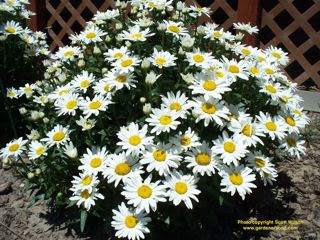
Shasta Daisies look great and are deer resistant

Let me qualify what "deer resistant" means. A deer resistant plant is one that deer do not eat as a primary food source. They may chew a few buds and occasionally pull off a leaf or two, but the plant is allowed to reach maturity with little molestation. Deer are browsers and will nibble on what they find; deer resistant plants are the ones they test and then walk away from.

It's important to acknowledge that deer, like all animals, will eat anything if they're hungry enough. Deer resistant plants are not a normal part of their diet, but under drought and low vegetation conditions deer will devour plants they have ignored for years. A doe with a new fawn won't venture far from it, so she will feed on less-than-desired plants nearby. Also, there are plants that hungry deer will only eat in winter and leave alone the rest of the year.

Purple Coneflowers are usually left alone

It's also important to acknowledge that deer will go out of their way to indulge in a garden offering plants they consider delicious. A garden loaded with roses, azaleas, geraniums, hosta, tulips, and fruit trees screams to the deer that the smorgasbord is open. The problem is that many gardeners also desire those same plants in their garden. Trying to maintain this kind of garden in the presence of a local herd can be nerve-wracking.

A deer resistant garden can be abundant and beautiful, but it requires careful plant selection. As I begin planning the landscape for my new house my focus is on gardens that will give me everything I want while denying the numerous deer a tasty lunch.

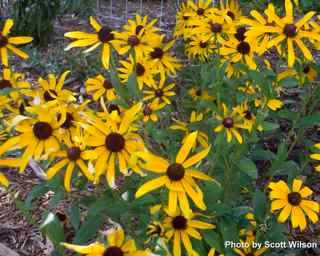
Deer tend to avoid Black-eyed Susan

As with all garden planning, there are important steps to take to get it right. An analysis of sun, shade, water, soil, USDA Hardiness Zone, and available space is critical to a good garden plan. Plants will do best when they're matched with the proper soil and location for their growth habits. Once this analysis is done, plants can be selected.

Generally, deer don't like plants with a strong aroma or with thorns or spines. They tend to stay away from decorative grasses. Many native plants are resistant to deer in areas where deer are native.

An assumption in growing deer resistant plants is that there are other food sources available to local herds. When deer have access to water and plants they like, they'll leave less desirable plants alone. When their only food sources are deer resistant plants, then that's what they'll eat. That's why there are so many conflicting discussions by gardeners as to whether a plant is deer resistant. For every gardener who has never had deer eat his plants there is another gardener who has deer eat every one of hers.

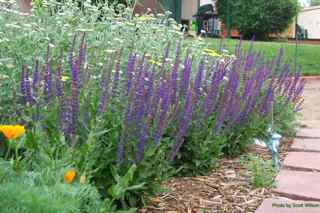
Salvia is universally acknowledged as deer resistant

Let's begin with deer resistant plants for full sun locations. Lucky for me, many of the plants I like to grow are naturally deer resistant; I have a minor deer problem at my current house and have never had a problem with these plants:

  • Agastache
  • Allium
  • Artemisia 
  • Barberry
  • Columbine
  • Coneflower
  • Coreopsis
  • Daffodil
  • Dianthus
  • Foxglove 
  • Gaillardia
  • Hens and Chicks
  • Lantana
  • Lavender
  • Penstemon
  • Potentilla
  • Rose Campion
  • Rudbeckia
  • Russian Sage
  • Salvia
  • Shasta Daisy
  • Snapdragon
  • Spirea 'Magic Carpet'
  • Yarrow
  • Yucca

There is no lack of color, texture, and variety in this list. All of them are very resistant to deer in most landscapes. Many of them require little irrigation, which is a plus in my arid region.

Here are some plants for shade or partial shade areas.

  • Allium
  • Ajuga
  • Astilbe
  • Bleeding Hearts
  • Coral Bells
  • Fuchsia
  • Monkshood
  • Peony

I don't currently grow these plants but will in my new landscape. I also plan to add:

  • Apache Plume
  • Buddleia
  • Fountain Grass
  • Miscanthus
  • Pampus Grass

The key to identifying deer resistant plants for your landscape is to conduct a little research. Many county Extension offices have fact sheets for local deer resistant plants. The internet allows cross referencing this government information. I easily found that New Jersey, Minnesota, and Colorado Extension information matches my own experience with the plants listed above.

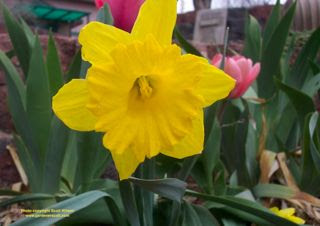
Daffodils are on everyone's list of deer resistant plants

One of the best sources for local information about deer resistant plants is to ask a fellow gardener. Find out what your friends have trouble with and what they have success with when deer are involved.

I have a gardening friend who likes to grow Arborvitae and has to fence in each plant to prevent damage; Arborvitae is on the list of plants deer like to munch. I've tried to grow cherry, apple and plum trees in my current landscape and the deer have devastated them; they'll even push through the protective netting to nibble the buds. Those of us who have built structures to try and keep deer out will gladly share our experience.

Asking for advice can save valuable time, energy, and money. Geraniums cover the gamut of deer preference. Some varieties of geranium are like candy to deer while others are like vinegar. Find out what your friends are growing and copy their successes. I haven't seen Asian Lilies on any deer resistant plant list, but in my neighborhood they leave all of mine alone.

My lilies are left alone by deer

It's possible to get away with tricking deer. A few plants that they might eat may survive if they're planted among groupings of plants that they avoid. They'll tend to leave the whole group alone when they see an abundance of deer resistant plants.

I also believe in creative sacrifice. If you want to grow plants that deer may like to eat, also grow plants that they definitely like to eat. Grow plants like wild strawberries, raspberries, Virginia creeper, and sunflowers as a friendly offering. When they venture into your yard they'll gravitate toward those tasty morsels and are more likely to leave your treasured plants alone.

My offering to save my vegetable garden

With proper planning and plant selection, maintaining a successful and beautiful landscape in the presence of deer is not only possible, but easy. Choose deer resistant plants and let your gardens prosper.


There is just one way to have a deer proof garden -- plant everything within the borders of a strong fence eight feet tall. For the rest of us, the best we can hope for is a deer resistant garden. Like all animals, deer have foods they prefer, foods they tolerate, and foods they avoid. The key for gardeners desiring a beautiful garden that deer walk past is to select plants in the latter category.

Shasta Daisies look great and are deer resistant

Let me qualify what "deer resistant" means. A deer resistant plant is one that deer do not eat as a primary food source. They may chew a few buds and occasionally pull off a leaf or two, but the plant is allowed to reach maturity with little molestation. Deer are browsers and will nibble on what they find; deer resistant plants are the ones they test and then walk away from.

It's important to acknowledge that deer, like all animals, will eat anything if they're hungry enough. Deer resistant plants are not a normal part of their diet, but under drought and low vegetation conditions deer will devour plants they have ignored for years. A doe with a new fawn won't venture far from it, so she will feed on less-than-desired plants nearby. Also, there are plants that hungry deer will only eat in winter and leave alone the rest of the year.

Purple Coneflowers are usually left alone

It's also important to acknowledge that deer will go out of their way to indulge in a garden offering plants they consider delicious. A garden loaded with roses, azaleas, geraniums, hosta, tulips, and fruit trees screams to the deer that the smorgasbord is open. The problem is that many gardeners also desire those same plants in their garden. Trying to maintain this kind of garden in the presence of a local herd can be nerve-wracking.

A deer resistant garden can be abundant and beautiful, but it requires careful plant selection. As I begin planning the landscape for my new house my focus is on gardens that will give me everything I want while denying the numerous deer a tasty lunch.

Deer tend to avoid Black-eyed Susan

As with all garden planning, there are important steps to take to get it right. An analysis of sun, shade, water, soil, USDA Hardiness Zone, and available space is critical to a good garden plan. Plants will do best when they're matched with the proper soil and location for their growth habits. Once this analysis is done, plants can be selected.

Generally, deer don't like plants with a strong aroma or with thorns or spines. They tend to stay away from decorative grasses. Many native plants are resistant to deer in areas where deer are native.

An assumption in growing deer resistant plants is that there are other food sources available to local herds. When deer have access to water and plants they like, they'll leave less desirable plants alone. When their only food sources are deer resistant plants, then that's what they'll eat. That's why there are so many conflicting discussions by gardeners as to whether a plant is deer resistant. For every gardener who has never had deer eat his plants there is another gardener who has deer eat every one of hers.

Salvia is universally acknowledged as deer resistant

Let's begin with deer resistant plants for full sun locations. Lucky for me, many of the plants I like to grow are naturally deer resistant; I have a minor deer problem at my current house and have never had a problem with these plants:

  • Agastache
  • Allium
  • Artemisia 
  • Barberry
  • Columbine
  • Coneflower
  • Coreopsis
  • Daffodil
  • Dianthus
  • Foxglove 
  • Gaillardia
  • Hens and Chicks
  • Lantana
  • Lavender
  • Penstemon
  • Potentilla
  • Rose Campion
  • Rudbeckia
  • Russian Sage
  • Salvia
  • Shasta Daisy
  • Snapdragon
  • Spirea 'Magic Carpet'
  • Yarrow
  • Yucca

There is no lack of color, texture, and variety in this list. All of them are very resistant to deer in most landscapes. Many of them require little irrigation, which is a plus in my arid region.

Here are some plants for shade or partial shade areas.

  • Allium
  • Ajuga
  • Astilbe
  • Bleeding Hearts
  • Coral Bells
  • Fuchsia
  • Monkshood
  • Peony

I don't currently grow these plants but will in my new landscape. I also plan to add:

  • Apache Plume
  • Buddleia
  • Fountain Grass
  • Miscanthus
  • Pampus Grass

The key to identifying deer resistant plants for your landscape is to conduct a little research. Many county Extension offices have fact sheets for local deer resistant plants. The internet allows cross referencing this government information. I easily found that New Jersey, Minnesota, and Colorado Extension information matches my own experience with the plants listed above.

Daffodils are on everyone's list of deer resistant plants

One of the best sources for local information about deer resistant plants is to ask a fellow gardener. Find out what your friends have trouble with and what they have success with when deer are involved.

I have a gardening friend who likes to grow Arborvitae and has to fence in each plant to prevent damage; Arborvitae is on the list of plants deer like to munch. I've tried to grow cherry, apple and plum trees in my current landscape and the deer have devastated them; they'll even push through the protective netting to nibble the buds. Those of us who have built structures to try and keep deer out will gladly share our experience.

Asking for advice can save valuable time, energy, and money. Geraniums cover the gamut of deer preference. Some varieties of geranium are like candy to deer while others are like vinegar. Find out what your friends are growing and copy their successes. I haven't seen Asian Lilies on any deer resistant plant list, but in my neighborhood they leave all of mine alone.

My lilies are left alone by deer

It's possible to get away with tricking deer. A few plants that they might eat may survive if they're planted among groupings of plants that they avoid. They'll tend to leave the whole group alone when they see an abundance of deer resistant plants.

I also believe in creative sacrifice. If you want to grow plants that deer may like to eat, also grow plants that they definitely like to eat. Grow plants like wild strawberries, raspberries, Virginia creeper, and sunflowers as a friendly offering. When they venture into your yard they'll gravitate toward those tasty morsels and are more likely to leave your treasured plants alone.

My offering to save my vegetable garden

With proper planning and plant selection, maintaining a successful and beautiful landscape in the presence of deer is not only possible, but easy. Choose deer resistant plants and let your gardens prosper.


Sunday, July 22, 2012

Deer Deterrent Soap

Deer soap works. I'm not talking about a big buck enjoying a nice, luxurious bath after getting all hot and sweaty, but rather using fragrant soap as a weapon in keeping deer away from the garden. Of course, as with any strategy of deterring these pesky animals, there are limitations to soap.

There is no foolproof method of repelling deer. Anything you see advertised or described as a deer repellent is overstating its effectiveness. At best a product can deter them. That's an important differentiation. When hungry enough, deer will eat plants they would normally avoid and will venture into areas that pose a threat. By making a garden less appealing, you hope to veer their wanderings in another direction. That's where deterrents come in.

Deer damage to a sunflower

Taste and smell deterrents are among the most common types used by gardeners. Making a plant taste bad or an area smell offensive to deer is a good tactic. It's like when you go to the city and walk along the street looking for a nice restaurant for dinner. You're more likely to stop and enjoy the fare of the doorway with aromas of fresh-baked bread and grilled meat than the one that reeks of sewer gas. But if choice is limited and you're hungry enough, you'll forgo the rancid odors for a hardy meal.

I have a deer problem and would prefer that they avoid my plants and look for more appealing meals so I experimented this year with soap as a smell deterrent; I also recruited fellow gardeners to help in the experiment. My wife makes custom, luxury soap and I asked her to make a batch using specific ingredients designed to maximize its effectiveness as a deer deterrent.

There are certain smells that are more offensive to deer than others. University of Nebraska studies showed that animal-based fats are more effective than natural oils so my deer soap is made with pig lard rather than the olive oil, coconut oil, and shea butter that my wife normally uses. Mint is a plant that often deters deer so part of the fragrance base of my custom soap is mint. The more odorous the soap the more effective it is, so the overall fragrance is amped up. The result is a soap that I can smell from a good distance which means deer will be unable to avoid the odor.

My research uncovered recommendations for placing soap from 18 inches (.5 meter) to 10 feet (3 meters) apart. Encouraged by persuasive university studies, I placed my deer soap from three to four feet apart (1 - 1.2 meter), hanging from a fence next to my sunflowers. Though sunflower is often listed as a plant that deer don't like, they love to nibble on my young plants. I varied the height above ground from two feet (.6 meter) to four feet (1.2 meter).

Deer soap hanging above sunflowers

The effect was immediate. I lost no more young sunflower plants to deer in the areas I placed the deer deterrent soap. My friend Della reported similar results. The large deer population in her neighborhood regularly decimates her plants. Since placing the soap she hasn't lost any Clematis or Buckthorn, plants that are normally favorites of her deer.

My experiment also confirmed a limitation of soap as a deer deterrent. Deer are smart animals and will begin to learn that we're playing tricks on them. They begin to recognize that the surprising and offensive odor is now normal and part of the landscape. At about the six-week point, I noticed deer damage to plants at the periphery of my test area. The plants within a two-feet radius (.6 meter) of the soap bars were still untouched. I suspect that sun and rain have lessened the strength of the fragrance and that the weaker aroma is not as effective at the edges of the bed.

One solution is to switch to another smell deterrent before the deer get used to the old stuff. If a garden always smells "bad" with varying offensive aromas, it is more likely that the deer will pass by looking for a meal that is more appealing. I have more soap with different fragrance components to swap out for the earlier batch.

It is also a good idea to increase the number of soap bars and place them as close to the protected plants as possible. Smells diminish with distance so concentrating the odorous soap keeps the smell strong throughout the protected zone.

I had my soap custom made and it lasted a month and a half before losing its peak efficiency. Almost any fragrant soap will work as a deer deterrent. Many people have reported success with soaps like Ivory and Irish Spring. There are many other smell deterrents that work with varying results. Predator urine, human hair, citrus peels, and rotten eggs have all been shown to deter deer but lose their effectiveness after a good rain.

Soap lasts longer than many of these deterrents and doesn't need to be replaced as often. Varying the type of soap to introduce new smells is the best approach to keeping deer away.

Deer soap does pose a potential problem for gardeners. It can attract voles. When the soap dissolves in a rain, the ground beneath it becomes more appealing to voles. If you have a vole problem (I do) and live in a wet region (I don't) you may want to consider changing the location of the soap periodically so it doesn't build up on the soil and become an attractant to another garden pest. I haven't noticed any increase in vole tunnels near my test bed, but I haven't had very much rain.

I'm quite pleased with the results of my deer-deterrent experiment. Soap will continue to be a part of my arsenal in the battle against deer. It doesn't harm them in any way and it keeps my garden intact. While my soap is hung from a fence, hanging it directly from sturdy branches allows the same effectiveness to extend to fruit trees and decorative bushes and shrubs.

With enough soap the entire landscape can become a deterrent to deer.

If you'd like to order the custom deer deterrent soap go to SudsnBuds. com
Deer soap works. I'm not talking about a big buck enjoying a nice, luxurious bath after getting all hot and sweaty, but rather using fragrant soap as a weapon in keeping deer away from the garden. Of course, as with any strategy of deterring these pesky animals, there are limitations to soap.

There is no foolproof method of repelling deer. Anything you see advertised or described as a deer repellent is overstating its effectiveness. At best a product can deter them. That's an important differentiation. When hungry enough, deer will eat plants they would normally avoid and will venture into areas that pose a threat. By making a garden less appealing, you hope to veer their wanderings in another direction. That's where deterrents come in.

Deer damage to a sunflower

Taste and smell deterrents are among the most common types used by gardeners. Making a plant taste bad or an area smell offensive to deer is a good tactic. It's like when you go to the city and walk along the street looking for a nice restaurant for dinner. You're more likely to stop and enjoy the fare of the doorway with aromas of fresh-baked bread and grilled meat than the one that reeks of sewer gas. But if choice is limited and you're hungry enough, you'll forgo the rancid odors for a hardy meal.

I have a deer problem and would prefer that they avoid my plants and look for more appealing meals so I experimented this year with soap as a smell deterrent; I also recruited fellow gardeners to help in the experiment. My wife makes custom, luxury soap and I asked her to make a batch using specific ingredients designed to maximize its effectiveness as a deer deterrent.

There are certain smells that are more offensive to deer than others. University of Nebraska studies showed that animal-based fats are more effective than natural oils so my deer soap is made with pig lard rather than the olive oil, coconut oil, and shea butter that my wife normally uses. Mint is a plant that often deters deer so part of the fragrance base of my custom soap is mint. The more odorous the soap the more effective it is, so the overall fragrance is amped up. The result is a soap that I can smell from a good distance which means deer will be unable to avoid the odor.

My research uncovered recommendations for placing soap from 18 inches (.5 meter) to 10 feet (3 meters) apart. Encouraged by persuasive university studies, I placed my deer soap from three to four feet apart (1 - 1.2 meter), hanging from a fence next to my sunflowers. Though sunflower is often listed as a plant that deer don't like, they love to nibble on my young plants. I varied the height above ground from two feet (.6 meter) to four feet (1.2 meter).

Deer soap hanging above sunflowers

The effect was immediate. I lost no more young sunflower plants to deer in the areas I placed the deer deterrent soap. My friend Della reported similar results. The large deer population in her neighborhood regularly decimates her plants. Since placing the soap she hasn't lost any Clematis or Buckthorn, plants that are normally favorites of her deer.

My experiment also confirmed a limitation of soap as a deer deterrent. Deer are smart animals and will begin to learn that we're playing tricks on them. They begin to recognize that the surprising and offensive odor is now normal and part of the landscape. At about the six-week point, I noticed deer damage to plants at the periphery of my test area. The plants within a two-feet radius (.6 meter) of the soap bars were still untouched. I suspect that sun and rain have lessened the strength of the fragrance and that the weaker aroma is not as effective at the edges of the bed.

One solution is to switch to another smell deterrent before the deer get used to the old stuff. If a garden always smells "bad" with varying offensive aromas, it is more likely that the deer will pass by looking for a meal that is more appealing. I have more soap with different fragrance components to swap out for the earlier batch.

It is also a good idea to increase the number of soap bars and place them as close to the protected plants as possible. Smells diminish with distance so concentrating the odorous soap keeps the smell strong throughout the protected zone.

I had my soap custom made and it lasted a month and a half before losing its peak efficiency. Almost any fragrant soap will work as a deer deterrent. Many people have reported success with soaps like Ivory and Irish Spring. There are many other smell deterrents that work with varying results. Predator urine, human hair, citrus peels, and rotten eggs have all been shown to deter deer but lose their effectiveness after a good rain.

Soap lasts longer than many of these deterrents and doesn't need to be replaced as often. Varying the type of soap to introduce new smells is the best approach to keeping deer away.

Deer soap does pose a potential problem for gardeners. It can attract voles. When the soap dissolves in a rain, the ground beneath it becomes more appealing to voles. If you have a vole problem (I do) and live in a wet region (I don't) you may want to consider changing the location of the soap periodically so it doesn't build up on the soil and become an attractant to another garden pest. I haven't noticed any increase in vole tunnels near my test bed, but I haven't had very much rain.

I'm quite pleased with the results of my deer-deterrent experiment. Soap will continue to be a part of my arsenal in the battle against deer. It doesn't harm them in any way and it keeps my garden intact. While my soap is hung from a fence, hanging it directly from sturdy branches allows the same effectiveness to extend to fruit trees and decorative bushes and shrubs.

With enough soap the entire landscape can become a deterrent to deer.

If you'd like to order the custom deer deterrent soap go to
SudsnBuds. com

Wednesday, September 7, 2011

Using Bird Netting

Luring birds to my garden to observe them among my flowers and trees is a major activity of mine. Watching through the kitchen window, we watch the finches and jays feeding on their respective seed as we enjoy our own food and wine. The hummingbirds bring life and vitality to the garden and we never tire of their presence. I do what I can to make them all welcome, but draw the line when it comes to my strawberries and raspberries and bird netting is the key.

Who wouldn't want to protect these strawberries

Some birds, particularly the magpies (those @*%#! magpies), enjoy a banquet in my garden. They peck tomatoes and pluck seeds. When given a chance they'll gorge themselves on every piece of ripe fruit on stem, vine, or branch. To keep them from the fruit that I prefer to eat myself, I use bird netting as a barrier.

Bird netting is simply a plastic or fiber mesh net that is spread over a plant for the purpose of preventing access by birds. The openings in common nets are typically 5/8 or 3/4 of an inch square, too small for any bird's body to penetrate. It is very effective and very economical for typical bird pests. Heavy duty netting of 1" or 2" squares is more expensive, but will stand up to larger, heavier, and persistent birds.

A simple plastic, metal, or wood frame is necessary to drape the netting over. If you lay the netting directly on the plants you want to protect, the birds will be able to stand on it and peck through the openings, even the small ones. When supported by a frame, the netting acts as an efficient obstacle.

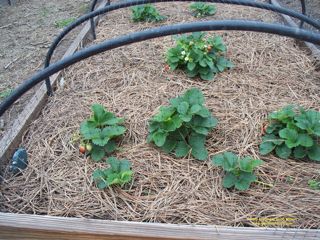
For low plants the frame just needs to be higher than the plants. In my strawberry bed I bent five-feet long sections of black PVC tubing between the sides; the ends of the tubing are inserted over 18-inch long pieces of metal rebar sunk into the soil. A length of bird netting covers the entire bed from end to end. It's important that all the sides are enclosed. I use 3-inch metal garden staples to hold the netting flush with the ground.

Bird netting over the strawberries

The birds will still desire the fruit and may try to get it even when they see the netting, but when they meet the resistance of the netting they'll eventually give up. They can be persistent though and are smart enough to find gaps. I've discovered birds on the inside of the netting; they found a way in but not a way out. That's why it's important to have all edges secured flush to the soil or mulch surface.

The white PVC pipe that I used to make mini greenhouses is ideally suited to support bird netting (see my blog, "Extending Your Growing Season with Mini Geenhouses"). In early spring it supports plastic sheets to warm the bed, in late summer it supports bird netting to protect your harvest, in the fall it supports plastic again to extend the season.

Taller or vining plants need larger framing. For my raspberries I built a barrier of metal fenceposts and four-feet high fencing. This is a strong frame primarily to keep the deer out, but it serves a secondary purpose of supporting bird netting over the top. The deer will eat the tips of the raspberries before the flowers develop and the birds will eat the fruit so both have to be dealt with. It's a fully enclosed box that I can open but the birds and deer can't.

Raspberries are safe with fencing and netting

Bird netting is ideal for birds and is well suited for keeping other garden pests at bay as well. Last year I planted young apple and cherry trees and was actually surprised when I found their tips eaten by deer. This year when I added a new plum tree I was prepared. I buried the end of a 10'-long PVC pipe next to the tree at planting. It supports bird netting that fully encloses the tree like a dainty parasol. Around the base is a ring of 4' metal fencing to which the net is attached. I'm not worried about birds at this point because the tree isn't producing fruit, but this has proven effective against deer. The fencing is occasionally pushed out of place, apparently by a deer trying to move it away, but the light, plastic netting has kept the young branches from being eaten. When the tree is bigger, netting will protect the fruit.

The plum tree bird netting in place

On my deck I wrapped a piece of netting around a tomato plant in a pot. My Yellow Lab, Lily, was fond of pulling off the green tomatoes to play with (see my blog, "Dogs and Tomatoes"). The netting now keeps her away from the tomatoes, allowing them time to ripen. Netting is also effective against cats, squirrels, and other small animals.

Bird netting comes in a variety of sizes for easy and varied uses. Gardener's Supply Company offers netting of 7' x 7' and 14' x 14' that can easily be thrown over a small fruit tree or a good-size garden plot. I use a roll 7' x 100' that I purchased from a major home improvement store; it is easily cut to fit garden beds and different size hoops. You can also find bird netting of 14' x 100' or 50' x 50' or even 30' x 500' online.

At some point I imagine a roof of netting over my entire garden. I've seen similar setups by other gardeners. A fully enclosed garden may seem extreme and sterile but insects can still get through the netting for pollination and it allows sun and rain in. I'm getting annoyed at the number of tomatoes, beans, squash, and corn that fall prey to birds, especially those @*%#! magpies, and a single roof of netting seems like a nice plan.

For now I cover a few of the beds and trees. I could cover the tomatoes but the indeterminate varieties grow tall and beyond the confines of the bed. I've tried netting before but the tomato vines grow through it and become a tangled mess. That makes harvesting the ripe tomatoes quite difficult. I know selective pruning and a very large net support system can solve the problem, but I'm not ready to put that much effort into the solution.

For garden beds with compact and controlled plantings, bird netting can easily protect the fruit until ready for human harvest. It lasts for years and can be reused. I try to label the netting when I roll it up at the end of the season so I know which bed it is cut to fit. A roll 100' feet long is enough to cover about eight of my beds, allowing for overlap on the ends.

I don't put netting over my flower beds or bushes. I want the hummingbirds to feed on the flower nectar and don't mind birds eating stray seeds. They rarely damage any of those beds. If the deer become too much of a nuisance it may be necessary to shelter some plants, but I don't have that concern yet. For birds, unless you're trying to protect a prized flower or plant, netting is seldom needed outside a vegetable garden.

If you have a bird problem, or any other large garden pest, and haven't tried bird netting, consider it. For little cost and effort your problem could be solved.
Luring birds to my garden to observe them among my flowers and trees is a major activity of mine. Watching through the kitchen window, we watch the finches and jays feeding on their respective seed as we enjoy our own food and wine. The hummingbirds bring life and vitality to the garden and we never tire of their presence. I do what I can to make them all welcome, but draw the line when it comes to my strawberries and raspberries and bird netting is the key.

Who wouldn't want to protect these strawberries

Some birds, particularly the magpies (those @*%#! magpies), enjoy a banquet in my garden. They peck tomatoes and pluck seeds. When given a chance they'll gorge themselves on every piece of ripe fruit on stem, vine, or branch. To keep them from the fruit that I prefer to eat myself, I use bird netting as a barrier.

Bird netting is simply a plastic or fiber mesh net that is spread over a plant for the purpose of preventing access by birds. The openings in common nets are typically 5/8 or 3/4 of an inch square, too small for any bird's body to penetrate. It is very effective and very economical for typical bird pests. Heavy duty netting of 1" or 2" squares is more expensive, but will stand up to larger, heavier, and persistent birds.

A simple plastic, metal, or wood frame is necessary to drape the netting over. If you lay the netting directly on the plants you want to protect, the birds will be able to stand on it and peck through the openings, even the small ones. When supported by a frame, the netting acts as an efficient obstacle.

For low plants the frame just needs to be higher than the plants. In my strawberry bed I bent five-feet long sections of black PVC tubing between the sides; the ends of the tubing are inserted over 18-inch long pieces of metal rebar sunk into the soil. A length of bird netting covers the entire bed from end to end. It's important that all the sides are enclosed. I use 3-inch metal garden staples to hold the netting flush with the ground.

Bird netting over the strawberries

The birds will still desire the fruit and may try to get it even when they see the netting, but when they meet the resistance of the netting they'll eventually give up. They can be persistent though and are smart enough to find gaps. I've discovered birds on the inside of the netting; they found a way in but not a way out. That's why it's important to have all edges secured flush to the soil or mulch surface.

The white PVC pipe that I used to make mini greenhouses is ideally suited to support bird netting (see my blog, "
Extending Your Growing Season with Mini Geenhouses"). In early spring it supports plastic sheets to warm the bed, in late summer it supports bird netting to protect your harvest, in the fall it supports plastic again to extend the season.

Taller or vining plants need larger framing. For my raspberries I built a barrier of metal fenceposts and four-feet high fencing. This is a strong frame primarily to keep the deer out, but it serves a secondary purpose of supporting bird netting over the top. The deer will eat the tips of the raspberries before the flowers develop and the birds will eat the fruit so both have to be dealt with. It's a fully enclosed box that I can open but the birds and deer can't.

Raspberries are safe with fencing and netting

Bird netting is ideal for birds and is well suited for keeping other garden pests at bay as well. Last year I planted young apple and cherry trees and was actually surprised when I found their tips eaten by deer. This year when I added a new plum tree I was prepared. I buried the end of a 10'-long PVC pipe next to the tree at planting. It supports bird netting that fully encloses the tree like a dainty parasol. Around the base is a ring of 4' metal fencing to which the net is attached. I'm not worried about birds at this point because the tree isn't producing fruit, but this has proven effective against deer. The fencing is occasionally pushed out of place, apparently by a deer trying to move it away, but the light, plastic netting has kept the young branches from being eaten. When the tree is bigger, netting will protect the fruit.

The plum tree bird netting in place

On my deck I wrapped a piece of netting around a tomato plant in a pot. My Yellow Lab, Lily, was fond of pulling off the green tomatoes to play with (see my blog, "Dogs and Tomatoes"). The netting now keeps her away from the tomatoes, allowing them time to ripen. Netting is also effective against cats, squirrels, and other small animals.

Bird netting comes in a variety of sizes for easy and varied uses. Gardener's Supply Company offers netting of 7' x 7' and 14' x 14' that can easily be thrown over a small fruit tree or a good-size garden plot. I use a roll 7' x 100' that I purchased from a major home improvement store; it is easily cut to fit garden beds and different size hoops. You can also find bird netting of 14' x 100' or 50' x 50' or even 30' x 500' online.

At some point I imagine a roof of netting over my entire garden. I've seen similar setups by other gardeners. A fully enclosed garden may seem extreme and sterile but insects can still get through the netting for pollination and it allows sun and rain in. I'm getting annoyed at the number of tomatoes, beans, squash, and corn that fall prey to birds, especially those @*%#! magpies, and a single roof of netting seems like a nice plan.

For now I cover a few of the beds and trees. I could cover the tomatoes but the indeterminate varieties grow tall and beyond the confines of the bed. I've tried netting before but the tomato vines grow through it and become a tangled mess. That makes harvesting the ripe tomatoes quite difficult. I know selective pruning and a very large net support system can solve the problem, but I'm not ready to put that much effort into the solution.

For garden beds with compact and controlled plantings, bird netting can easily protect the fruit until ready for human harvest. It lasts for years and can be reused. I try to label the netting when I roll it up at the end of the season so I know which bed it is cut to fit. A roll 100' feet long is enough to cover about eight of my beds, allowing for overlap on the ends.

I don't put netting over my flower beds or bushes. I want the hummingbirds to feed on the flower nectar and don't mind birds eating stray seeds. They rarely damage any of those beds. If the deer become too much of a nuisance it may be necessary to shelter some plants, but I don't have that concern yet. For birds, unless you're trying to protect a prized flower or plant, netting is seldom needed outside a vegetable garden.

If you have a bird problem, or any other large garden pest, and haven't tried bird netting, consider it. For little cost and effort your problem could be solved.

Sunday, July 31, 2011

A Deer in the Garden

I have a deer problem. It's not a bad one and for now it's small, but it's a problem nonetheless. I suspected deer were exploring my gardens late last year when I detected some tree damage (see my blog, "Not Sheep, Sherlock"). A few months ago I startled a solitary deer grazing on my grass when I opened the back door; he leapt over the fence and disappeared quickly through the neighbor's trees. There have been a few tattletale piles of droppings in far-off sections of the property in the past, but no signs of imminent garden threat. Until now.

Yesterday there were tracks. In my garden. Smack dab in the middle of it.

The proof

The damage was limited to a single corn stalk, and a few of the peas. Many more tasty plants were left untouched. At least for now.

The corn victim

Many of my gardener friends have serious deer issues. They are unable to garden with any freedom because all plants they wish to keep for more than a few days must be fully enclosed by fencing or plastic covers. The deer walk openly through the neighborhoods blatantly destroying the vegetation in their path. There is little that can be done about it.

I garden by the "big neighborhood" theory. Our deer aren't corralled into an urban valley like in many of those neighborhoods. Our deer have miles of open space around my beds and the theory holds that there will be another meal some place else that is easier to acquire. We have dogs and fences and lights and a deer has to be hesitant when venturing near.

The theory also holds that an early morning grazing by a solitary animal is a random occurrence and one that is unlikely to repeat itself often. I'm putting the future of my gardens at risk by relying on such a theory.

Valid or not, I think there is natural support for it. I understand that deer and the many other wild animals in our environment must feed regularly. I also understand that most of them have a fear or mistrust of humans. So they feed in the dark and in areas devoid of human interference. Most of the time it's deep in the trees and away from houses.

But this year was drier than usual. We had very little measurable precipitation in April, May, and June. The normally green fields and forests were reduced to brown landscapes. Deer were forced to journey from their safe havens into the realm of people in search of food. This is a normal trend during drought years. My gardens offered little to entice them then because they were very small oases surrounded by vast expanses of dryness as I struggled with the same weather issues.

This month has been wet. We have enjoyed above normal rainfall levels as almost every day drops some monsoonal moisture. It's green everywhere. The meandering foraging rewards the deer with every step. They don't have to search for food, they just have to bend down and open their mouths.

That's why I'm not too worried about my "big neighborhood" theory and the prints of a single animal. I choose to believe that he was walking through our backyard and was just eating what was in front of him. Some grass, a few wildflowers, a corn stalk, a couple of pea shoots, some more wildflowers, more grass, and the cycle continued as he walked to another neighbor's yard. I'm hoping there was nothing special about what he tasted in my garden. There is a lot of fresh, young grass out there.

However, it may be time to have some concern. That solitary deer may be lying in the shade of a tall pine tree thinking: Now where was that tasty morsel I enjoyed yesterday; I must find it again. And if a single animal finds a topnotch restaurant you know his friends will want to try it too.

So preparation of potential safeguards is nigh. My new garden beds are in the open. They should be fenced before my plants become the culinary delight of the nearby herds. I'm a big believer in decoy plants. If I continue to see signs of deer, next year I'll plant some succulent annuals far away from my treasured vegetables and fruits. If they insist on attending my banquet, let them eat the cheap stuff.

I'm not at the point of trying any deer deterrents, because few of them work effectively and because I don't think it's necessary yet. Part of me thinks that deer are pretty smart and they've learned to identify the so-called deterrents. Somewhere there's a deer thinking: So what are they trying to hide with that wolf urine? I should check it out.

My guard is up. I'll keep looking for more signs of deer as I plan to build that fence. I'll do some more research on deer-preferred plants as I plan next year's garden. I'm not losing any sleep over potential losses of this year's crops. It hasn't happened and I don't expect it. This is a big neighborhood after all.
I have a deer problem. It's not a bad one and for now it's small, but it's a problem nonetheless. I suspected deer were exploring my gardens late last year when I detected some tree damage (see my blog, "Not Sheep, Sherlock"). A few months ago I startled a solitary deer grazing on my grass when I opened the back door; he leapt over the fence and disappeared quickly through the neighbor's trees. There have been a few tattletale piles of droppings in far-off sections of the property in the past, but no signs of imminent garden threat. Until now.

Yesterday there were tracks. In my garden. Smack dab in the middle of it.

The proof

The damage was limited to a single corn stalk, and a few of the peas. Many more tasty plants were left untouched. At least for now.

The corn victim

Many of my gardener friends have serious deer issues. They are unable to garden with any freedom because all plants they wish to keep for more than a few days must be fully enclosed by fencing or plastic covers. The deer walk openly through the neighborhoods blatantly destroying the vegetation in their path. There is little that can be done about it.

I garden by the "big neighborhood" theory. Our deer aren't corralled into an urban valley like in many of those neighborhoods. Our deer have miles of open space around my beds and the theory holds that there will be another meal some place else that is easier to acquire. We have dogs and fences and lights and a deer has to be hesitant when venturing near.

The theory also holds that an early morning grazing by a solitary animal is a random occurrence and one that is unlikely to repeat itself often. I'm putting the future of my gardens at risk by relying on such a theory.

Valid or not, I think there is natural support for it. I understand that deer and the many other wild animals in our environment must feed regularly. I also understand that most of them have a fear or mistrust of humans. So they feed in the dark and in areas devoid of human interference. Most of the time it's deep in the trees and away from houses.

But this year was drier than usual. We had very little measurable precipitation in April, May, and June. The normally green fields and forests were reduced to brown landscapes. Deer were forced to journey from their safe havens into the realm of people in search of food. This is a normal trend during drought years. My gardens offered little to entice them then because they were very small oases surrounded by vast expanses of dryness as I struggled with the same weather issues.

This month has been wet. We have enjoyed above normal rainfall levels as almost every day drops some monsoonal moisture. It's green everywhere. The meandering foraging rewards the deer with every step. They don't have to search for food, they just have to bend down and open their mouths.

That's why I'm not too worried about my "big neighborhood" theory and the prints of a single animal. I choose to believe that he was walking through our backyard and was just eating what was in front of him. Some grass, a few wildflowers, a corn stalk, a couple of pea shoots, some more wildflowers, more grass, and the cycle continued as he walked to another neighbor's yard. I'm hoping there was nothing special about what he tasted in my garden. There is a lot of fresh, young grass out there.

However, it may be time to have some concern. That solitary deer may be lying in the shade of a tall pine tree thinking: Now where was that tasty morsel I enjoyed yesterday; I must find it again. And if a single animal finds a topnotch restaurant you know his friends will want to try it too.

So preparation of potential safeguards is nigh. My new garden beds are in the open. They should be fenced before my plants become the culinary delight of the nearby herds. I'm a big believer in decoy plants. If I continue to see signs of deer, next year I'll plant some succulent annuals far away from my treasured vegetables and fruits. If they insist on attending my banquet, let them eat the cheap stuff.

I'm not at the point of trying any deer deterrents, because few of them work effectively and because I don't think it's necessary yet. Part of me thinks that deer are pretty smart and they've learned to identify the so-called deterrents. Somewhere there's a deer thinking: So what are they trying to hide with that wolf urine? I should check it out.

My guard is up. I'll keep looking for more signs of deer as I plan to build that fence. I'll do some more research on deer-preferred plants as I plan next year's garden. I'm not losing any sleep over potential losses of this year's crops. It hasn't happened and I don't expect it. This is a big neighborhood after all.

Monday, November 1, 2010

Not Sheep, Sherlock

There's a great new show this season as part of "Masterpiece Theater" on PBS. Based on Sir Arthur Conan Doyle’s master detective, "Sherlock" places Sherlock Holmes and Dr. John Watson in present-day London. Even in modern times, the eccentric Sherlock can deduce multitudes of information from the smallest clues. It appears miraculous, but is a skill most people can learn. Gardeners regularly rely on deductive reasoning as part of normal activities.

Today I was forced to play the detective in my own backyard. Last week I noticed the tips of the raspberry canes were gone. Not shriveled from the cold weather, but sheared off. My first inclination was to think that birds were the culprits, pecking off the few berries that were forming. I wasn't planning to harvest the cold-damaged fruit, so wasn't very concerned by it. It was more of an anomoly that left me scratching my head.

A few days ago I noticed that the buds on the branch tips of the new cherry tree had been eaten off. Again, I briefly suspected birds, but also wondered if squirrels might be the pests. They'll eat tree buds for food, though that typically happens in winter. My biggest concern was for the tree. I have four-foot tall wire cages around them to keep the dogs and grandchildren away, but with the tree tips gone, future vertical growth will be hampered. The apple tree I planted this year showed similar damage too.

Yesterday I noticed a large section of bark was removed from an aspen tree within spitting distance of the fruit trees. The torn bark was a few feet off the ground and my first reaction was that a porcupine had moved through the area. I've seen porcupine damage before and from the window it showed the same traits. It isn't out of the question because one of our dogs was quilled in our back yard a number of years back.

Today I decided to take a closer look and try to deduce what happened. Students of deductive reasoning know that the simplest answer is usually the correct answer. My initial observations showed birds, squirrels, and a porcupine as the vandals. Upon further thought, it seems odd that three different species would suddenly attack my plants within the same period of days.

I originally discounted deer because we've never had a deer problem. They're in the area and we've seen them just down the road, but there has been no sign that they discovered the gardens. Flowers have always brightened the borders and the few remaining blooms are still evident; none are missing. Besides, our four dogs do a great job patrolling the property and keeping intruders away. Assuming a deer would brave the dogs, my thought is that the first food it would go for would be easy flowers.

Close examination of the injured aspen shows sections of bark ripped loose. The bark is torn with ragged edges. That's an important clue. Some animals chew bark and some animals rip bark. Beavers, squirrels, and porcupines are chewers, deer and bears are rippers. When bears rip off bark they usually leave claw marks; no claw marks evident on the aspen though there were some gouges. Deer will debark a tree to eat or from rubbing antlers in fall, leaving gouges from the antler tips.

Suddenly the clues are pointing strongly at a deer presence. Raspberry and tree tips are eaten and bark is torn or worn off. But what about the dogs and my presence in the gardens? Shouldn't deer still be scared away?

Enter the power of deduction and the "ah ha" moment. The weather has changed dramatically in recent weeks. Though the days are unseasonably warm, the nights are still cold. During the warm months we leave the dog door open and our four furry friends have free roam in and out during the days and nights. When the sun goes down on a frigid night, I close the dog door to keep warmth in. For the past few weeks, the dogs have been on a schedule of going out late in the evening and not going out again until morning. That's plenty of time for a marauding deer to do some damage.

With colder weather, food is becoming scarcer. Foraging deer look for tender food like young fruit trees. With few threats and ample opportunity, the smorgasbord in my back yard was waiting for a diner.

Like many problems in life, this is one I hoped would never happen to me. Many, if not most, of my gardener friends have a deer problem. It was a bit naive to think I could escape it. So now I have to think about deer deterrents and deer proofing and deer-resistant plants. Honestly, though I resisted it it's been in the back of my mind; when I planted a dozen lavender plants earlier this year I was pleased to see that they are deer resistant.

Not much will change in the near term. The deer are free to feed on the property through the winter. I'll try to protect the fruit trees from further damage and we have enough aspens that it's okay if we lose a few. Starting nest year I attack my gardening from a new angle. It will be done with deer in mind. I'll let you know how it transpires.
There's a great new show this season as part of "Masterpiece Theater" on PBS. Based on Sir Arthur Conan Doyle’s master detective, "Sherlock" places Sherlock Holmes and Dr. John Watson in present-day London. Even in modern times, the eccentric Sherlock can deduce multitudes of information from the smallest clues. It appears miraculous, but is a skill most people can learn. Gardeners regularly rely on deductive reasoning as part of normal activities.

Today I was forced to play the detective in my own backyard. Last week I noticed the tips of the raspberry canes were gone. Not shriveled from the cold weather, but sheared off. My first inclination was to think that birds were the culprits, pecking off the few berries that were forming. I wasn't planning to harvest the cold-damaged fruit, so wasn't very concerned by it. It was more of an anomoly that left me scratching my head.

A few days ago I noticed that the buds on the branch tips of the new cherry tree had been eaten off. Again, I briefly suspected birds, but also wondered if squirrels might be the pests. They'll eat tree buds for food, though that typically happens in winter. My biggest concern was for the tree. I have four-foot tall wire cages around them to keep the dogs and grandchildren away, but with the tree tips gone, future vertical growth will be hampered. The apple tree I planted this year showed similar damage too.

Yesterday I noticed a large section of bark was removed from an aspen tree within spitting distance of the fruit trees. The torn bark was a few feet off the ground and my first reaction was that a porcupine had moved through the area. I've seen porcupine damage before and from the window it showed the same traits. It isn't out of the question because one of our dogs was quilled in our back yard a number of years back.

Today I decided to take a closer look and try to deduce what happened. Students of deductive reasoning know that the simplest answer is usually the correct answer. My initial observations showed birds, squirrels, and a porcupine as the vandals. Upon further thought, it seems odd that three different species would suddenly attack my plants within the same period of days.

I originally discounted deer because we've never had a deer problem. They're in the area and we've seen them just down the road, but there has been no sign that they discovered the gardens. Flowers have always brightened the borders and the few remaining blooms are still evident; none are missing. Besides, our four dogs do a great job patrolling the property and keeping intruders away. Assuming a deer would brave the dogs, my thought is that the first food it would go for would be easy flowers.

Close examination of the injured aspen shows sections of bark ripped loose. The bark is torn with ragged edges. That's an important clue. Some animals chew bark and some animals rip bark. Beavers, squirrels, and porcupines are chewers, deer and bears are rippers. When bears rip off bark they usually leave claw marks; no claw marks evident on the aspen though there were some gouges. Deer will debark a tree to eat or from rubbing antlers in fall, leaving gouges from the antler tips.

Suddenly the clues are pointing strongly at a deer presence. Raspberry and tree tips are eaten and bark is torn or worn off. But what about the dogs and my presence in the gardens? Shouldn't deer still be scared away?

Enter the power of deduction and the "ah ha" moment. The weather has changed dramatically in recent weeks. Though the days are unseasonably warm, the nights are still cold. During the warm months we leave the dog door open and our four furry friends have free roam in and out during the days and nights. When the sun goes down on a frigid night, I close the dog door to keep warmth in. For the past few weeks, the dogs have been on a schedule of going out late in the evening and not going out again until morning. That's plenty of time for a marauding deer to do some damage.

With colder weather, food is becoming scarcer. Foraging deer look for tender food like young fruit trees. With few threats and ample opportunity, the smorgasbord in my back yard was waiting for a diner.

Like many problems in life, this is one I hoped would never happen to me. Many, if not most, of my gardener friends have a deer problem. It was a bit naive to think I could escape it. So now I have to think about deer deterrents and deer proofing and deer-resistant plants. Honestly, though I resisted it it's been in the back of my mind; when I planted a dozen lavender plants earlier this year I was pleased to see that they are deer resistant.

Not much will change in the near term. The deer are free to feed on the property through the winter. I'll try to protect the fruit trees from further damage and we have enough aspens that it's okay if we lose a few. Starting nest year I attack my gardening from a new angle. It will be done with deer in mind. I'll let you know how it transpires.